Smoke Detectors: What Homeowners and Buyers Should Know
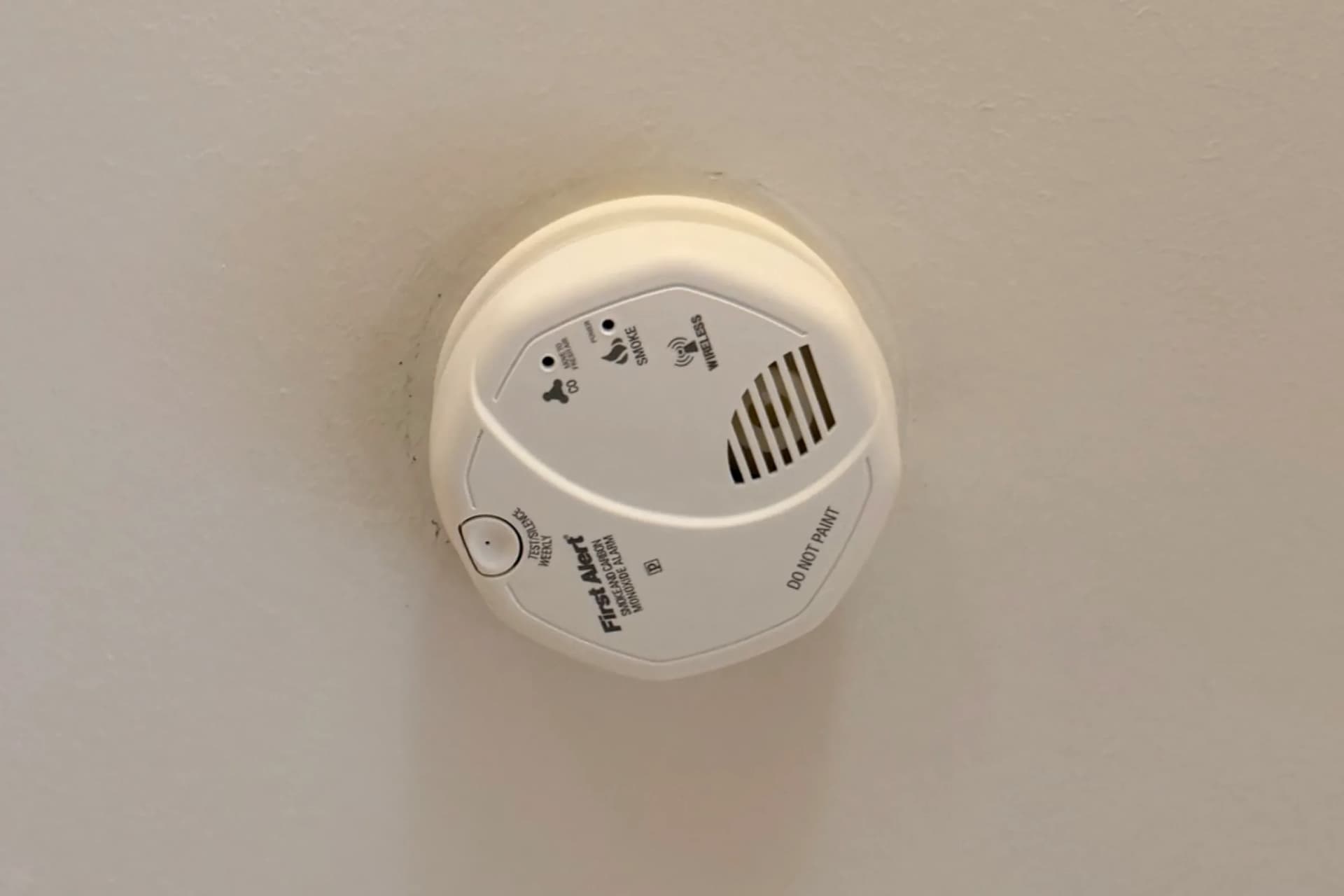
Smoke detectors are one of the simplest safety devices in a home, but they are also one of the most important. During home inspections, we frequently find smoke alarms that are missing, damaged, improperly located, disconnected, or simply too old to provide reliable protection.
Whether you are buying a home or have lived in your home for years, checking your smoke detectors should be part of your regular home safety routine.
Where Should Smoke Detectors Be Installed?
Proper placement helps ensure occupants can be alerted quickly if a fire occurs. As a general safety practice, smoke alarms should be installed:
- Inside each bedroom or sleeping room
- Outside each separate sleeping area
- On every level of the home, including the basement
- In appropriate locations where they can detect smoke without creating unnecessary nuisance alarms
Requirements can vary depending on the age of the home, local regulations, and whether renovations or electrical upgrades have been completed.
How Old Are Your Smoke Detectors?
A smoke detector may look perfectly fine from the outside and still be past its recommended service life. Most smoke alarms should be replaced approximately every 10 years, although homeowners should always follow the manufacturer's recommendations for their specific alarms.
Many smoke detectors have a manufacture date printed on the back or inside the unit. If the alarm is approaching or beyond its recommended service life, replacement is generally recommended rather than relying solely on the test button.
What Does the Test Button Actually Tell You?
Pressing the test button is an important part of checking a smoke alarm, but it primarily confirms that the alarm's electronics and audible warning are functioning. It does not mean an older detector should remain in service indefinitely.
Smoke alarms should be tested regularly and maintained according to the manufacturer's instructions. Batteries should also be replaced when required unless the alarm uses a sealed long-life battery.
Hardwired vs. Battery-Powered Smoke Detectors
Homes may have battery-powered alarms, hardwired alarms, or a combination of both. Many newer homes have interconnected smoke alarms, meaning that when one alarm detects smoke, the other connected alarms sound as well.
During a home inspection, we may identify conditions such as:
- Missing smoke detectors
- Older detectors that appear to be beyond their expected service life
- Damaged or loose alarms
- Disconnected or removed hardwired alarms
- Improper detector locations
- Alarms that do not respond when tested
- Areas where additional alarms are recommended
What About Combination Smoke and Carbon Monoxide Alarms?
Some homes use combination alarms that provide both smoke and carbon monoxide detection. Carbon monoxide alarms are especially important in homes with fuel-burning appliances, fireplaces, or attached garages.
Smoke and carbon monoxide alarms have different placement considerations, so homeowners should follow current local requirements and the manufacturer's installation instructions.
Why Smoke Detectors Matter During a Home Inspection
A home inspection is about more than identifying expensive repairs. Safety-related conditions are also an important part of understanding the home you are purchasing.
At Highview Home Inspections, we look for visible and accessible conditions involving smoke and carbon monoxide alarms as part of the inspection process. When deficiencies are observed, they are documented so our clients can better understand what should be corrected or further evaluated.
Something as small as a missing or outdated smoke detector may be inexpensive to correct, but it can make a significant difference in home safety.
Don't Forget About Smoke Detectors After You Move In
Home safety does not end when the inspection is complete. After moving into a new home, homeowners should familiarize themselves with the locations and ages of their smoke and carbon monoxide alarms.
Consider checking each alarm, reviewing its manufacture date, replacing units when necessary, and keeping a regular testing schedule. It is a simple maintenance item that is easy to overlook.
Schedule Your Home Inspection Today
If you're buying a home in Lake County or the Chicagoland area, Highview Home Inspections provides thorough home inspections designed to help you better understand the condition of your future home.
We proudly serve homebuyers throughout Lake County and surrounding Chicagoland communities, including Waukegan, Gurnee, Libertyville, Vernon Hills, Grayslake, Mundelein, Lake Zurich, and surrounding areas.
I do not just inspect homes. I help you understand them.