10 Common Home Inspection Defects Found in Older Illinois Homes
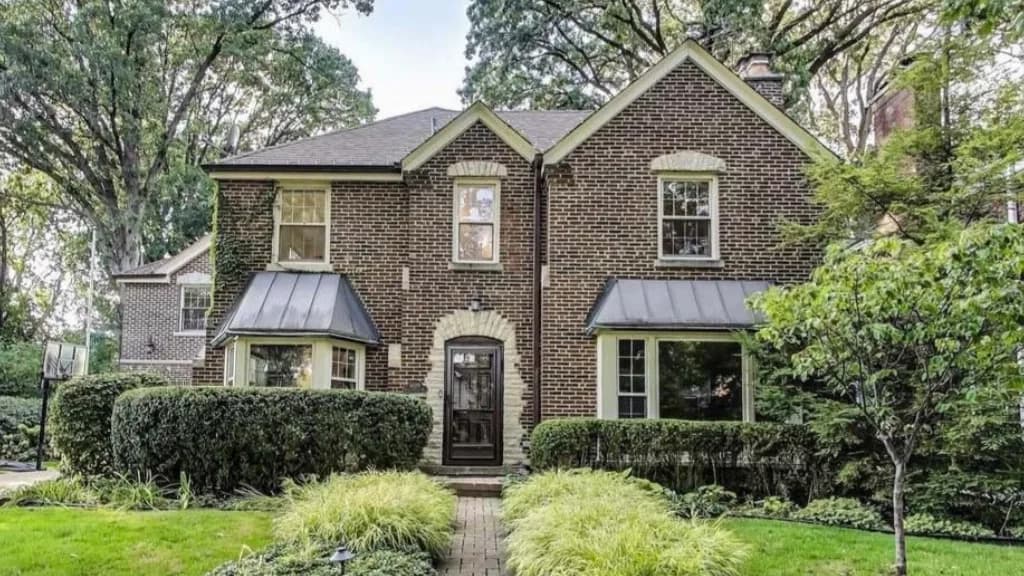
Older homes throughout Chicagoland have plenty of character, history, and architectural charm. However, properties built several decades ago may also contain aging components, outdated systems, or repairs that need attention.
At Highview Home Inspections, we inspect homes throughout Lake County and the surrounding Chicagoland area. While every property is different, certain conditions are frequently encountered in older homes.
Understanding these common findings can help homebuyers make informed decisions and homeowners identify areas that may need maintenance or further evaluation.
1. Outdated Electrical Systems
Electrical systems in older homes may have been installed when household electrical demands were much lower. Some properties still contain outdated electrical panels, ungrounded receptacles, deteriorated wiring, or modifications performed over the years.
Common concerns include missing GFCI protection, improper wiring connections, damaged electrical components, and outdated equipment. Not every older installation is automatically defective, but unsafe conditions should be evaluated and corrected by a qualified electrician.
For additional information, explore our article on 7 common electrical problems found during home inspections.
2. Foundation Cracks and Settlement
Foundation cracks are common in older Illinois homes, particularly those with concrete or masonry foundations. Some cracks result from normal shrinkage or minor settlement, while others may indicate ongoing movement or structural concerns.
Crack width, direction, displacement, and associated moisture intrusion are important considerations. Not every foundation crack is a serious problem, but cracks showing movement, displacement, or water entry may require further evaluation by a qualified foundation professional.
3. Basement Moisture and Water Intrusion
Basement moisture is a frequent concern in the Chicagoland area. Water staining, efflorescence, damp foundation walls, and signs of previous seepage may indicate that moisture has entered the basement.
Contributing factors can include poor exterior grading, inadequate downspout extensions, foundation openings, and drainage deficiencies. Continued moisture intrusion can damage building materials and create conditions favorable for microbial growth.
Identifying and correcting the source of moisture is important to help prevent recurring problems. Learn more in our article about common basement problems found during Chicagoland home inspections.
4. Aging Plumbing Materials
Older homes may contain galvanized steel supply piping, cast-iron drain lines, or other plumbing materials that have been in service for many decades.
Over time, these materials can develop corrosion, restricted flow, leakage, or deterioration. Older water service lines may also warrant additional investigation depending on their material and condition.
During a home inspection, accessible plumbing components are examined for visible deficiencies. Additional evaluation, such as a sewer camera inspection, may help identify certain conditions within underground drain piping that cannot be observed during a standard visual inspection.
5. Roof Deterioration and Flashing Defects
Roofs are continuously exposed to rain, snow, ice, wind, and changing temperatures. Over time, roofing materials can deteriorate, particularly when maintenance has been deferred.
Common findings include damaged or missing shingles, deteriorated flashing, exposed fasteners, and signs of previous roof leakage.
Even when the roof covering appears serviceable, improperly installed or deteriorated flashing around chimneys, plumbing vents, and roof penetrations can increase the potential for water intrusion.
Read more about 5 roofing problems commonly found during home inspections.
6. Inadequate Attic Insulation and Ventilation
Many older homes were constructed with less attic insulation than is commonly recommended today. Some also have inadequate or obstructed ventilation.
These conditions may contribute to energy loss, uneven indoor temperatures, condensation, and moisture-related deterioration. In colder climates such as northern Illinois, attic air leakage and heat loss can also contribute to ice dam formation.
Improving insulation, air sealing, and ventilation where appropriate can help improve comfort and energy efficiency.
7. Aging Heating Systems and Venting Concerns
Heating equipment is particularly important during Illinois winters. Older furnaces and boilers may continue operating for many years, but age, corrosion, improper venting, and deferred maintenance can affect reliability and safety.
Common inspection findings include corrosion, evidence of leakage, dirty equipment compartments, deteriorated vent connectors, and missing maintenance records.
Because some heating system defects cannot be identified through a visual inspection alone, regular servicing by a qualified HVAC contractor is recommended.
8. Deteriorated Windows and Exterior Doors
Windows and doors in older homes may show signs of wear from years of use and exposure to the elements.
Common findings include failed insulated glass seals, damaged frames, deteriorated weatherstripping, loose hardware, and windows that are difficult to open or close.
While some conditions can be corrected through maintenance or minor repairs, severely deteriorated components may require replacement.
9. Stairway and Handrail Safety Concerns
Older homes may have stairways that differ from modern construction practices. Uneven riser heights, narrow treads, loose handrails, missing guards, and deteriorated steps are among the conditions that may be encountered.
These deficiencies can increase the potential for slips and falls. Safety-related concerns should be evaluated and corrected as appropriate, even when the stairway is original to the home.
10. Improper Modifications and Previous Repairs
Over the years, older homes often undergo renovations, additions, and repairs. While many improvements are completed professionally, others may involve improper installation methods or unqualified workmanship.
Examples include unsupported framing modifications, improper electrical connections, inadequate plumbing repairs, and alterations that affect structural components.
A home inspection can help identify visible deficiencies associated with previous work and determine when further evaluation by a qualified contractor is appropriate.
Does an Older Home Mean More Problems?
Not necessarily. Many older homes throughout Chicagoland have been well maintained and updated over time. A property's age alone does not determine its overall condition.
Some findings may involve routine maintenance, while others may require repairs or further evaluation. Understanding the difference is an important part of the home inspection process.
A professional home inspection provides an objective assessment of the home's visible and accessible components at the time of inspection, helping buyers and homeowners better understand its condition.
Schedule a Home Inspection in Chicagoland
Whether you are purchasing an older home or want to better understand the condition of your current property, Highview Home Inspections is here to help.
We provide detailed residential home inspections throughout Lake County and surrounding Chicagoland communities, including Waukegan, Gurnee, Libertyville, Grayslake, Vernon Hills, and nearby areas.
Our goal is to provide clear, straightforward findings so you can understand the property's condition and make informed decisions with confidence.
Contact Highview Home Inspections to schedule your next inspection.