Common Basement Problems Found During Chicagoland Home Inspections
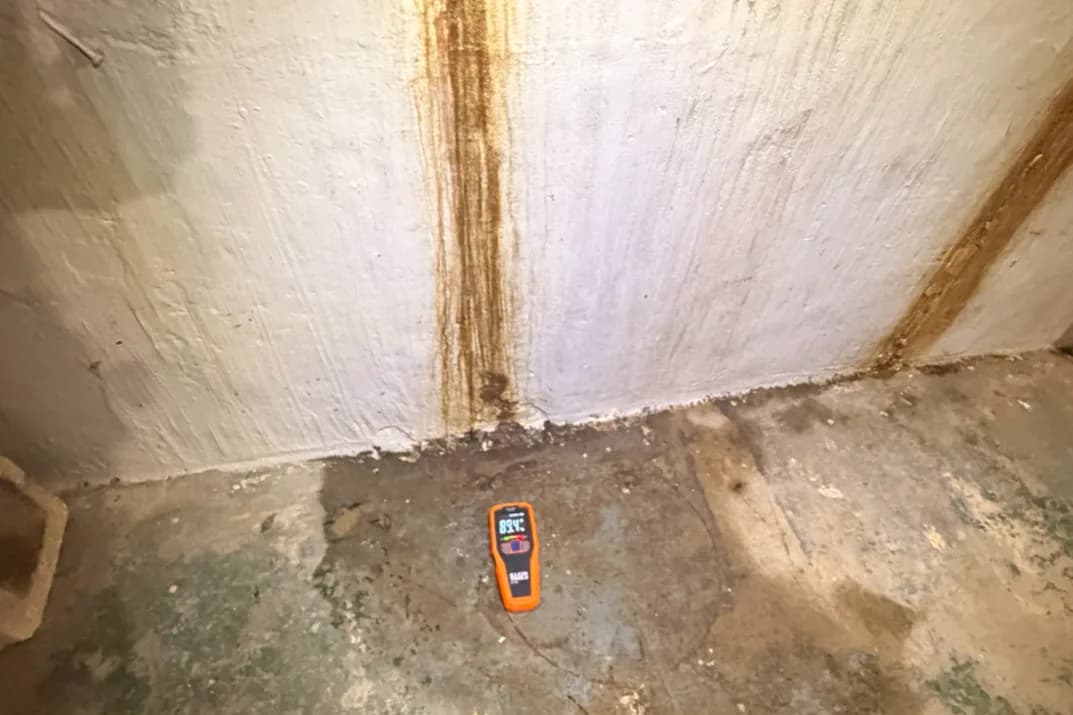
Basements are common throughout Chicago and the surrounding suburbs, and they can reveal a lot about the overall condition of a home. During a home inspection, the basement is an important area to evaluate because problems involving moisture, drainage, the foundation, plumbing, electrical systems, and mechanical equipment may all show up here.
At Highview Home Inspections, we inspect homes throughout Lake County and the greater Chicagoland area. While every property is different, the following are some of the most common basement issues we encounter during home inspections.
1. Water Intrusion and Moisture
Moisture is one of the most common concerns found in basements. Signs may include water stains, damp areas, peeling paint, efflorescence, deteriorated finishes, musty odors, or elevated moisture readings.
Water intrusion does not always mean the basement is actively leaking at the time of the inspection. Some conditions only become apparent after heavy rain or snowmelt. This is why inspectors look for both active moisture and evidence of previous water intrusion.
Exterior conditions can also contribute to basement moisture. Poor grading, clogged or damaged gutters, short downspout extensions, deteriorated foundation components, and improper drainage can allow water to accumulate near the foundation.
2. Foundation Cracks
Cracks in basement foundation walls and floors are common, particularly in older homes. Some cracking can occur from normal settlement or shrinkage, while other cracks may warrant additional evaluation.
During an inspection, we consider characteristics such as the location, direction, width, displacement, and overall pattern of the cracking. Horizontal cracks, significant displacement, bowing walls, or other signs of movement can be more concerning than small, isolated shrinkage cracks.
When conditions suggest possible structural movement, further evaluation by a qualified foundation contractor or structural engineer may be recommended.
3. Efflorescence on Foundation Walls
White, chalky deposits on concrete or masonry foundation walls are known as efflorescence. These deposits occur when moisture moves through masonry materials and leaves mineral salts behind as the water evaporates.
Efflorescence itself is generally not a structural defect, but it can be an indication of ongoing or previous moisture movement through the foundation. The surrounding drainage and moisture conditions should be considered when determining the significance of the condition.
4. Sump Pump and Drainage Problems
Many Chicagoland homes rely on sump pump systems to help manage groundwater around the foundation. During a home inspection, accessible components of the sump system are evaluated and the pump may be operated when conditions allow.
Common concerns include an inoperative pump, improper discharge piping, missing covers, poorly routed discharge lines, or water being discharged too close to the foundation.
A backup sump pump or battery backup can also provide additional protection during a power outage or primary pump failure, particularly in homes with a history of groundwater intrusion.
5. Plumbing Leaks and Drainage Concerns
Basements often contain a large portion of a home's visible plumbing system, making them a useful area for identifying leaks and drainage concerns.
Inspectors may find leaking supply or drain piping, corrosion, deteriorated piping, improper supports, abandoned plumbing, or evidence of previous leakage. Older Chicagoland homes may also contain aging drain and sewer materials that deserve additional attention.
It is important to remember that a standard home inspection does not provide a complete view of the underground sewer line. A sewer scope inspection can provide valuable information about conditions such as root intrusion, deterioration, blockages, offsets, or damaged sections of the sewer lateral.
6. Mold-Like Growth and Organic Growth
Basements with elevated moisture levels or a history of water intrusion may develop visible microbial or mold-like growth on walls, framing, stored materials, or finished surfaces.
A home inspection is not automatically a mold inspection, and visual appearance alone cannot always determine exactly what type of growth is present. When suspicious conditions are observed, additional evaluation or mold testing may be recommended.
Addressing the underlying source of moisture is just as important as addressing the affected materials.
7. Improperly Finished Basements
A finished basement can look great while concealing important components behind drywall, ceilings, flooring, and insulation. Finished areas can limit an inspector's ability to view the foundation, framing, plumbing, wiring, and other concealed systems.
Common concerns in finished basements may include improper electrical work, inadequate heating, moisture-damaged finishes, unsafe stairways or guards, and modifications completed without proper consideration for the surrounding systems.
Because many components are concealed once a basement is finished, visible clues such as staining, flooring damage, odors, or elevated moisture readings can become especially important.
8. Electrical Concerns
Electrical panels and branch wiring are frequently located in basements. Common issues may include open junction boxes, exposed wiring, improper wiring methods, missing GFCI protection where required, damaged receptacles, and concerns within electrical panels.
Older homes may also contain electrical systems that have been modified many times over the years. A home inspection can help identify visible safety concerns and areas where evaluation or repair by a qualified electrician is appropriate.
9. Heating, Water Heater, and Mechanical Equipment
Basements commonly house furnaces, boilers, water heaters, and other mechanical equipment. These systems are evaluated for general condition and operation as part of the home inspection when accessible and safe to operate.
Potential concerns include aging equipment, improper venting, corrosion, leakage, inadequate combustion air, deteriorated components, and evidence that servicing or repairs may be needed.
10. Signs of Previous Repairs
Previous repairs are not necessarily a problem, but they can provide important clues about a home's history. Patched foundation cracks, waterproofing systems, recently replaced drywall, drainage modifications, or other repairs may indicate that a condition existed previously.
When possible, buyers should ask the seller for information regarding previous water intrusion, foundation repairs, waterproofing work, insurance claims, and transferable warranties.
Why Basement Inspections Matter in Chicagoland
Basements are particularly important in Northern Illinois because our homes experience heavy rainfall, snowmelt, seasonal temperature changes, and freeze-thaw cycles. Older housing stock throughout Chicago and the surrounding suburbs can also present a combination of aging foundations, plumbing, sewer lines, and electrical systems.
No basement is expected to be perfect. The goal of a home inspection is to identify visible conditions, explain their significance, and help you better understand the property before making important decisions.
Schedule a Chicagoland Home Inspection
If you're buying a home in Lake County, Chicago, or the surrounding Chicagoland area, Highview Home Inspections provides detailed residential home inspections designed to help you understand the property and its major systems.
Additional inspection services are also available, including sewer scope inspections, radon testing, mold air testing, termite inspections, and chimney scans.
I don't just inspect homes—I help you understand them.
```